

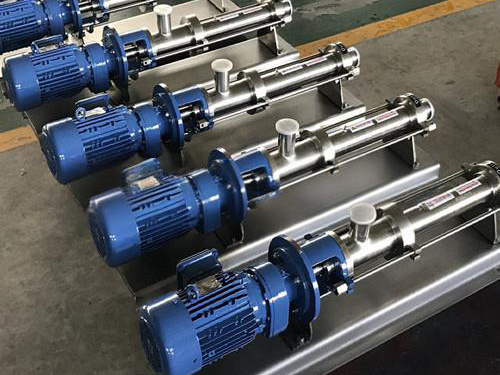
Stainless steel screw pumps are widely used in industries where reliability, hygiene,
corrosion resistance and long service life are critical. Understanding
why stainless steel is the ideal material for screw pump manufacturing
helps engineers, buyers and maintenance teams make better decisions when selecting
positive displacement pumps for demanding applications.
A screw pump is a positive displacement pump that uses one or more intermeshing screws
to move fluid along the pump axis. Screw pumps offer smooth, pulsation-free flow,
excellent suction performance and the ability to handle viscous, shear-sensitive or
particle-laden media. Common designs include:
Regardless of configuration, the performance and lifetime of a screw pump are strongly
influenced by the materials used for the pump casing, rotor(s), stator, shaft, wear
parts and seals. Among the various options, stainless steel has become the reference
material for many industrial, chemical and hygienic applications.
The main reasons for the dominance of stainless steel in screw pump manufacturing are:
These characteristics make stainless steel screw pumps a preferred choice in
industries such as food and beverage, dairy, brewing, pharmaceuticals, cosmetics,
biotechnology, fine chemicals, water treatment and marine engineering.
Stainless steel is a family of iron-based alloys containing a minimum of 10.5% chromium,
with varying amounts of nickel, molybdenum and other elements. The high chromium content
forms a passive, self-healing oxide layer on the surface, which gives stainless steel
its corrosion-resistant properties.
For screw pump manufacturing, the most commonly used stainless steels are:
| Grade | UNS / EN | Main Alloying Elements | Typical Use in Screw Pumps |
|---|---|---|---|
| 304 | UNS S30400 / 1.4301 | 18% Cr, 8% Ni | General-purpose pump casings, non-aggressive fluids, water and light chemicals |
| 304L | UNS S30403 / 1.4307 | 18% Cr, 8% Ni (low carbon) | Welded pump components, reduced risk of intergranular corrosion, tanks and covers |
| 316 | UNS S31600 / 1.4401 | 17% Cr, 11% Ni, 2–2.5% Mo | Rotors, casings for chloride-containing media, many food and chemical applications |
| 316L | UNS S31603 / 1.4404 | 17% Cr, 11% Ni, 2–2.5% Mo (low carbon) | Hygienic pumps, CIP/SIP applications, pharmaceutical and biotech screw pumps |
| Duplex 2205 | UNS S32205 / 1.4462 | 22% Cr, 5–6% Ni, 3% Mo, N | High-pressure screw pumps, seawater and brine, elevated chloride conditions |
| 904L | UNS N08904 / 1.4539 | 20% Cr, 25% Ni, 4.5% Mo, Cu | Highly corrosive acids, specialty chemical transfer, low contamination processes |
In many screw pump designs, different stainless steels are used for different
components to balance cost, mechanical performance and corrosion resistance.
When comparing stainless steel to alternatives such as cast iron, carbon steel,
bronze or plastic composites, several advantages stand out. These advantages explain
why stainless steel is an ideal material for screw pump manufacturing in critical
industrial applications.
Stainless steel’s resistance to general corrosion, pitting and crevice attack is a
major reason for its widespread use. Screw pumps often handle:
The passive chromium oxide layer of stainless steel significantly reduces material
loss and surface degradation in these environments, extending pump life and
maintaining performance. Alloying with molybdenum (e.g., 316L) further improves
resistance to localized corrosion, which is important in crevices and threaded areas
of the screw pump.
Screw pumps must withstand internal pressure, torque, axial loads and possible
transient pressure spikes (water hammer). Stainless steel provides:
Duplex stainless steels offer even higher strength, allowing thinner walls and
lighter components without sacrificing safety factors. This is especially valuable
for multi-screw high-pressure pumps used in oil and gas, marine and power
generation.
For sanitary screw pumps in food, beverage, dairy, biotech and pharmaceutical
processes, material selection must support:
Austenitic stainless steels such as 316L are the industry standard in these
applications. They maintain a smooth, non-porous surface even after repeated thermal
cycling and exposure to high-concentration cleaning agents (caustic solutions,
acids, oxidizing sanitizers). Properly polished and passivated stainless steel
surfaces ensure that the screw pump can be cleaned reliably between batches or
product changes.
Stainless steel screw pumps often operate with fluids at elevated temperatures or
must tolerate thermal shocks during sterilization. Stainless steel:
This broad temperature compatibility reduces design constraints and makes stainless
steel suitable for hot oils, thermal fluids, condensate and other high-temperature
media.
In screw pumps, clearances between rotating and stationary components are critical
to achieve volumetric efficiency and minimize slip. Stainless steel provides:
Although stainless steel is not the hardest material available, it strikes a
favorable balance between wear resistance, corrosion resistance and ease of
manufacturing. In abrasive applications, surface hardening or the use of hardened
sleeves and wear rings can be combined with stainless steel housings.
Many processes require that the pump material does not leach harmful substances into
the product. Stainless steel:
This is crucial in industries where product purity, taste, color and biological
stability are paramount. For example, stainless steel screw pumps are widely used
for transferring wine, beer, fruit juice, creams, emulsions and pharmaceutical
intermediates.
While the initial cost of stainless steel screw pumps may be higher than carbon
steel or cast iron alternatives, lifecycle cost is often lower due to:
Stainless steel is fully recyclable and maintains its material value in the
secondary metals market. This supports sustainability goals and reduces the total
environmental footprint of pumping systems.
The selection of stainless steel as the key material for screw pump manufacturing is
closely linked to the industries and media being handled. The following table
summarizes typical applications where stainless steel screw pumps are considered
standard.
| Industry | Typical Fluids | Screw Pump Type | Preferred Stainless Steel Grades |
|---|---|---|---|
| Food & Beverage | Sauces, chocolate, syrups, dairy products, fruit purees, beverages | Twin screw pumps, progressive cavity pumps | 316L, 304L with hygienic surface finish |
| Dairy Processing | Milk, cream, yogurt, whey, concentrates | Twin screw sanitary pumps | 316L for wetted parts, 304/304L for external components |
| Pharmaceutical & Biotech | Active ingredients, buffers, culture media, gels, ointments | Sanitary screw pumps with CIP/SIP capability | 316L with electropolished surfaces, high-grade seals |
| Cosmetics & Personal Care | Lotions, creams, shampoos, gels, toothpaste | Progressive cavity and twin screw pumps | 316L for product contact surfaces |
| Chemical Processing | Polymers, resins, surfactants, acids, alkalis | Single, twin and triple screw pumps | 316/316L, Duplex 2205, 904L depending on media |
| Oil & Gas | Lube oils, hydraulic oils, fuel oils, multiphase fluids | Triple screw and multi-screw high-pressure pumps | Duplex stainless steels for high pressure and chlorides |
| Marine & Offshore | Ballast water, bilge water, fuel oil, lubricants | Triple screw and twin screw pumps | 316, Duplex 2205 for seawater resistance |
| Water & Wastewater | Sludge, slurry, gray water, chemical dosing | Progressive cavity pumps | 304, 316, Duplex 2205 for aggressive effluents |
In all of these sectors, the choice of stainless steel is motivated by the combination
of corrosion resistance, hygiene, mechanical reliability and cleanability,
which are core requirements for screw pump operation.
Sanitary screw pumps are essential components in modern process lines where product
safety, regulatory compliance and hygienic design are mandatory. Stainless steel
enables screw pumps to meet key hygienic standards and guidelines.
To prevent microbial growth and facilitate cleaning, the internal surfaces of
stainless steel screw pumps are typically specified with:
Stainless steel’s inherent workability allows manufacturers to achieve these tight
surface finish requirements reliably and repeatably.
Clean-in-Place and Steam-in-Place systems require that the screw pump withstand:
Austenitic stainless steels such as 316L are particularly well suited to these
cleaning regimes. Their corrosion resistance and stable passive film ensure that
frequent cleaning does not cause significant degradation or contamination.
Many Hygienic Screw Pump installations must comply with standards and guidelines
related to materials and design, such as:
Stainless steel grades like 316L are widely recognized and accepted in these
regulations due to their long history of safe use, cleanability, and resistance to
product contamination.
Corrosion mechanisms in screw pumps can include uniform corrosion, pitting, crevice
corrosion, stress corrosion cracking and galvanic corrosion. Stainless steel’s
passive film provides a powerful barrier, but selecting the right grade is essential.
Uniform corrosion: Even material loss across the surface due to
general chemical attack.
Pitting corrosion: Localized attack often found in chloride-rich
environments.
Crevice corrosion: Occurs in tight gaps such as gasket contacts,
threads or dead zones.
Stress corrosion cracking: Requires tensile stress and a specific
corrosive environment, often chlorides at high temperatures.
Galvanic corrosion: Arises when dissimilar metals are in contact
in a conductive fluid.
The chromium content in stainless steel forms a thin oxide layer that self-heals if
damaged. The presence of molybdenum, nitrogen and higher chromium content further
improves resistance to pitting and crevice corrosion. In screw pump manufacturing:
| Fluid Type | Typical Conditions | Recommended Stainless Steel Grades | Comments for Screw Pump Design |
|---|---|---|---|
| Fresh water, neutral pH | Ambient to 60 °C, low chlorides | 304, 304L | Standard austenitic steels sufficient for casings and rotors |
| Process water with chlorides | Up to 200 ppm Cl?, 80 °C | 316, 316L | Increased Mo improves pitting resistance, key for threaded areas |
| Brine, seawater-based fluids | High chlorides, temperature variable | Duplex 2205, super austenitic | Enhanced pitting resistance and higher strength for compact designs |
| Weak organic acids (lactic, acetic) | Low to medium concentration | 316L | Common in food and beverage and fermentation processes |
| Caustic solutions (NaOH) | CIP concentrations, up to 90 °C | 316L | Widely used for CIP cycles in sanitary screw pumps |
By choosing appropriate stainless steel grades and surface finishes, manufacturers
can greatly reduce corrosion risk and extend the operating life of screw pumps.
Screw pumps built with stainless steel encompass a wide operating range. The
following tables provide generic specification ranges commonly seen in industrial,
chemical and hygienic stainless steel screw pump installations. Actual performance
depends on specific design and configuration.
| Parameter | Typical Range for Stainless Steel Screw Pumps | Notes |
|---|---|---|
| Flow rate | 0.1 to 500 m3/h (or higher for multi-screw) | From low dosing rates to bulk transfer |
| Differential pressure | Up to 80 bar for twin screw; up to 160 bar for multi-screw | Depends on rotor length, clearances and design safety margins |
| Viscosity | 1 to 1,000,000 cP | Higher viscosities at reduced speed to manage shear and torque |
| Temperature | -20 to 180 °C (higher for some grades) | Limited by elastomers, seals and specific alloys |
| Solids content | Up to 40% by volume for progressive cavity designs | Depends on particle shape, hardness and abrasive nature |
| Speed | 100 to 3600 rpm | Lower speeds for high viscosity or shear-sensitive media |
| Component | Typical Stainless Steel Grade | Alternative Materials / Notes |
|---|---|---|
| Pump casing | 316 / 316L | 304/304L possible for less aggressive media |
| Rotors / Screws | 316 / 316L, Duplex 2205 for high pressure | Surface-hardened for abrasive service if needed |
| Shafts | 316L, Duplex 2205 | Strength and fatigue resistance drive grade selection |
| Stator housing (PC pumps) | 316 / 316L | Encases elastomer stator, must withstand process and cleaning conditions |
| Wear plates, liners | Hardened stainless steel or wear-resistant alloys | Optional coatings for severe abrasion |
| Seals and fittings (metallic parts) | 316L | Elastomers chosen according to media compatibility |
These specifications highlight the flexibility of stainless steel for screw pump
manufacturing across different duty ranges and process conditions.
While stainless steel offers many advantages, proper design and manufacturing
practices are essential to obtain the full benefits in screw pump construction.
Selecting the correct stainless steel grade depends on:
For example, 316L is usually favored in sanitary and mildly corrosive processes,
while duplex grades are preferred for high-pressure, chloride-rich environments.
Specialized grades may be required for strong acids or highly oxidizing chemicals.
Stainless steel relies on a stable passive film for corrosion resistance. Common
surface treatments include:
Applying these treatments to all product-wetted surfaces of the screw pump helps
maintain corrosion resistance and hygienic performance over time.
In screw pump design, dead zones and crevices must be minimized, especially for
sanitary service. This can be achieved through:
Stainless steel’s weldability and formability support these design goals, allowing
pump housings to be fabricated with smooth internal transitions.
Stainless steel exhibits thermal expansion that must be considered in screw pump
tolerancing. Rotors and casings expand as temperature increases, affecting:
Designers must account for these effects to avoid excessive contact, wear or slip
at operating temperature while still ensuring sufficient clearances during start-up
and cool-down.
Many stainless steel screw pump components are welded. Improper welding can impair
corrosion resistance in the heat-affected zone. Good practice includes:
High-quality welds ensure that the entire internal surface of the pump behaves
consistently in corrosive media.
When specifying screw pumps, engineers may consider alternative materials such as
cast iron, carbon steel, bronze or engineered plastics. The following comparison
highlights the relative advantages of stainless steel.
| Criterion | Stainless Steel | Cast Iron / Carbon Steel | Bronze | Engineering Plastics / Composites |
|---|---|---|---|---|
| Corrosion resistance | Excellent in many media; improves with higher alloying | Limited; often needs coating or lining | Good in seawater; limited for acids/alkalis | Good in some chemicals; sensitive to temperature and stress cracking |
| Mechanical strength | High; very high for duplex grades | High; generally good structural rigidity | Moderate | Lower; dependent on specific polymer/composite |
| Hygiene & cleanability | Excellent; standard for sanitary systems | Poor; surface porosity and coatings can trap residues | Moderate; not typical for hygienic duty | Variable; can be smooth but temperature-limited |
| Temperature resistance | Wide range; suitable for high-temperature service | Good; oxidation and corrosion may limit life | Moderate | Limited; softening or degradation at high temperature |
| Cost (initial) | Higher | Lower | Moderate to high | Variable; often lower material cost but higher design constraints |
| Lifecycle cost | Low, due to long life and low maintenance | Higher due to corrosion, coating maintenance | Moderate | Depends on chemical and thermal environment |
| Suitability for sanitary screw pumps | Ideal | Not recommended | Rarely used | Limited to very specific conditions |
This comparison demonstrates that, although the purchase price of stainless steel
components may be higher, the overall benefits in corrosion resistance, hygiene and
long-term reliability make stainless steel the ideal material for screw pump
manufacturing in most demanding applications.
Using stainless steel in screw pump manufacturing directly influences pump
performance, efficiency and product quality.
Corrosion or surface degradation can change rotor profiles, clearances and flow paths
inside a screw pump, causing:
Stainless steel’s resistance to corrosion ensures that pump geometry remains stable
over time, allowing consistent performance and predictable maintenance intervals.
Screw pumps are often chosen because they can handle delicate or shear-sensitive
products. Stainless steel rotors and casings:
This is particularly important for emulsions, suspensions, food products with
particulates and biologically active materials.
In hygienic applications, production downtime for cleaning is a significant cost.
Stainless steel screw pumps designed with CIP/SIP compatibility:
This combination of performance and cleanability makes stainless steel screw pumps
an essential component in modern continuous processing lines.
The following example shows how technical information for a generic stainless steel
screw pump might be summarized. Values are indicative and vary depending on the
specific design and application.
| Indicative Specification: Stainless Steel Twin Screw Pump | ||
|---|---|---|
| Design type | Hygienic twin screw, self-priming | |
| Flow rate | Up to 100 m3/h | |
| Differential pressure | Up to 25 bar | |
| Viscosity range | 1–1,000,000 cP | |
| Operating temperature | -10 to 150 °C (depending on elastomers and seals) | |
| Rotor material | 316L stainless steel | |
| Casing material | 316L stainless steel, electropolished internally | |
| Seal arrangement | Single or double mechanical seal with stainless steel components | |
| Surface finish (wetted parts) | Ra ≤ 0.8 μm (finer upon request) | |
| Cleaning capability | CIP/SIP compatible | |
| Connections | Hygienic clamp or flange connections in stainless steel | |
Such specification sheets highlight the central role of stainless steel in defining
the performance, cleanability and durability of screw pumps across a wide range of
process conditions.
Stainless steel offers a unique combination of corrosion resistance, mechanical
strength, hygiene, cleanability, thermal stability and long-term durability. These
properties align directly with the demanding requirements placed on modern screw
pumps in industrial, chemical and sanitary applications.
By choosing stainless steel grades tailored to the process media and operating
conditions, pump designers and plant engineers can:
For these reasons, stainless steel has become the reference material for screw pump
manufacturing and will continue to play a central role in the development of
next-generation pumping solutions for critical and hygienic applications.
```

Copyright ? Jiangsu Longjie Pump Manufacturing Co., Ltd.



 Phone
Phone
Comment
(0)