

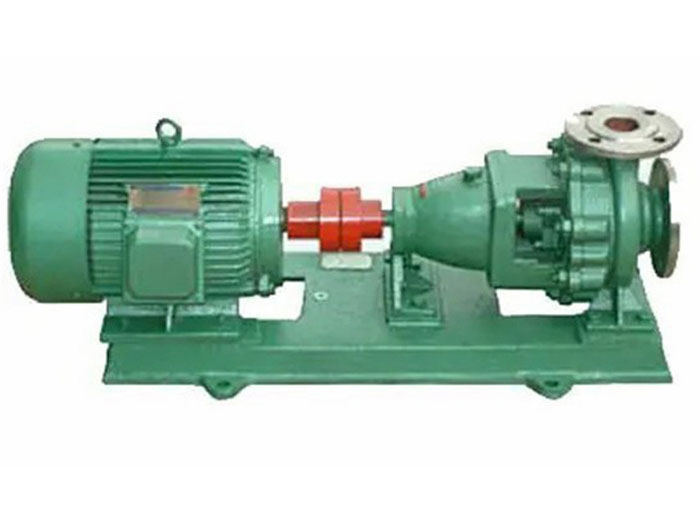
The screw pump stator is one of the most critical and most frequently replaced parts in any progressive cavity
or screw pump system. When the stator fails, the entire pump suffers: capacity drops, pressure falls, power
consumption increases, and leakage can appear almost overnight. This quick guide explains how to troubleshoot
your screw pump stator, identify the root causes of failure, and select the right replacement to restore pump
performance and reliability.
In a screw pump (also called a progressive cavity pump), the stator is the stationary, usually elastomer-lined
component that works together with the metallic rotor to form enclosed cavities that move the fluid from the
suction side to the discharge side. The screw pump stator is responsible for sealing, pressure generation,
volumetric efficiency, and overall pump performance.
A typical screw pump stator is:
Because the screw pump stator is in continuous contact with the pumped fluid and the rotating rotor, it is
subject to wear, chemical attack, swelling, thermal degradation, and mechanical damage. Effective
troubleshooting of the screw pump stator is essential for reliable operation and long service life.
A progressive cavity or screw pump consists of a single-helix rotor rotating inside a double-helix stator.
As the rotor turns, cavities are formed between the rotor and stator elastomer. These cavities progress from
suction to discharge, transporting the liquid with minimal pulsation.
The screw pump stator:
If the stator is damaged or worn, the seal between rotor and stator is compromised. Cavities no longer seal
properly, internal slip increases, and the screw pump cannot build the required pressure. Understanding this
basic operating principle makes stator troubleshooting much more intuitive.
When troubleshooting your screw pump stator or specifying a replacement, you will frequently encounter the
following technical terms:
| Term | Definition / Relevance to Stator Troubleshooting |
|---|---|
| Stator | The stationary helical component, usually an elastomer tube bonded to a metal housing. |
| Rotor | The metallic single-helix screw element that rotates inside the stator. |
| Stage | One pair of rotor and stator pitches. More stages = higher pressure capability. |
| Pitch | Axial distance between two corresponding points of the helical cavity geometry. |
| Interference fit | The designed tightness between rotor and stator, critical for sealing and efficiency. |
| Elastomer | The rubber-like material of the stator (e.g., NBR, HNBR, FKM, EPDM). |
| Volumetric efficiency | Actual flow vs. theoretical flow. Drops when stator is worn or damaged. |
| Slip | Backflow of fluid from discharge to suction through rotor–stator clearances. |
| Dry running | Operation without adequate fluid lubrication, causing rapid elastomer overheating. |
| Chemical compatibility | Degree to which the stator elastomer resists swelling, cracking, or softening in the medium. |
Screw pump stator wear and failure manifests through several observable symptoms. Recognizing these indicators
helps maintenance and operations teams troubleshoot stator issues before they lead to complete pump shutdown.
Systematic stator troubleshooting requires connecting symptoms with root causes. The main drivers of screw pump
stator damage are mechanical, thermal, chemical, and operational in nature.
Whenever screw pump performance deteriorates or scheduled maintenance is due, a structured stator inspection
helps determine whether the stator must be replaced or can continue in service. The following checklist focuses
specifically on the screw pump stator.
The following troubleshooting matrix summarizes typical symptoms, likely screw pump stator-related causes,
and recommended corrective actions. This table can be used as a quick reference during maintenance planning
and on-site diagnostics.
| Observed Symptom | Likely Stator-Related Cause | Recommended Corrective Action |
|---|---|---|
| Reduced flow and pressure at normal speed | General stator bore wear, loss of interference, increased slip. | Inspect bore dimensions; replace stator; check for abrasive solids and reduce if possible. |
| Pump cannot build pressure above a low level | Severe wear over several stages; elastomer tearing or missing sections. | Disassemble pump, replace stator (and rotor if needed); verify system pressure requirements. |
| Rapid overheating and burning of elastomer | Dry running or insufficient lubrication/cooling by fluid. | Install dry-run protection; ensure flooded suction; add temperature or power monitoring. |
| Stator elastomer swollen and soft | Chemical incompatibility with process fluid or cleaning agents. | Switch to chemically compatible elastomer; consult chemical compatibility data; flush system. |
| Stator elastomer cracked and brittle | Operation outside temperature limits; ozone or UV exposure during storage. | Maintain temperature within design range; store stators indoors; replace with fresh component. |
| Localized burnt spots and blisters on stator | Short-term localized dry running; air pockets; suction blockages. | Improve venting procedures; ensure constant liquid feed; check suction strainer and valves. |
| High starting torque and power draw | Excessive rotor–stator interference; hardened elastomer; low-temperature start. | Warm up fluid before starting; use appropriate elastomer hardness; verify rotor and stator sizing. |
| Uneven wear pattern along stator length | Misalignment of drive shaft; bent rotor; eccentric loading. | Check and correct alignment; inspect coupling and bearings; replace damaged rotor. |
| Metal tube deformation or bulging | Excessive internal pressure; blocked discharge; wrong number of stages for duty. | Verify system relief devices; prevent dead-heading; re-evaluate pump sizing for required pressure. |
| Frequent stator replacements | Poor elastomer selection; abrasive or corrosive media; unsuitable pump for duty. | Review process data; upgrade elastomer quality; consider design changes or filtration. |
Preventive maintenance strategies significantly extend screw pump stator life and reduce unplanned downtime.
The following practices focus on protecting the stator from avoidable damage.
When troubleshooting reveals that the stator has reached the end of its life, selecting the correct replacement
is crucial. Incorrect stator selection can reduce pump efficiency, increase wear, and cause premature failure.
The screw pump stator is typically manufactured from one of several standard elastomer types. Selection must
reflect fluid composition, temperature, solids, and cleaning procedures.
| Elastomer Type | Typical Use Cases | Strengths | Limitations |
|---|---|---|---|
| Standard NBR (Nitrile Rubber) | Oils, fuels, wastewater, general industrial fluids. | Good oil resistance, cost-effective, widely available. | Moderate temperature range; limited resistance to strong oxidizing chemicals. |
| HNBR (Hydrogenated Nitrile) | Hot oils, high-temperature hydrocarbons, demanding duties. | Improved temperature and chemical resistance vs. NBR. | Higher cost; still limited against some polar solvents. |
| EPDM | Water, wastewater, many chemicals, food and beverage (with appropriate approvals). | Excellent hot water and steam resistance; good chemical resistance. | Poor resistance to oils and hydrocarbons. |
| FKM (Fluoroelastomer) | Aggressive chemicals, solvents, high-temperature oils. | Very high chemical and temperature resistance. | Higher cost; may be stiffer, requiring careful fit design. |
| Natural Rubber | Abrasive slurries, mining sludges (where chemically compatible). | Excellent abrasion resistance and elasticity. | Limited chemical and temperature resistance. |
A screw pump stator must be correctly matched to the rotor to achieve the desired interference and volumetric
efficiency. When you replace a stator:
While exact specifications vary among pump sizes and designs, the following table illustrates a generic set of
screw pump stator parameters commonly considered during selection, troubleshooting, and replacement.
| Parameter | Typical Range | Impact on Stator Performance and Troubleshooting |
|---|---|---|
| Internal Diameter (ID) | 20 – 300 mm (0.8 – 12 in) | Directly affects rotor–stator interference and capacity; wear increases ID over time. |
| Stator Length | 300 – 5000 mm (1 – 16 ft) | Longer stators with more stages can achieve higher pressure but are more sensitive to wear. |
| Number of Stages | 1 – 12 (or more) | More stages increase pressure capability; failures may be localized to a subset of stages. |
| Design Pressure | Up to 48 bar per stage (typical values lower in practice) | Overpressure can cause elastomer extrusion and metal tube deformation. |
| Design Temperature | -20 °C to +180 °C (depending on elastomer) | Operation beyond this range leads to cracking, hardening, or softening of elastomer. |
| Elastomer Hardness | 50 – 80 Shore A | Hardness influences interference fit, sealing, and friction; incorrect hardness affects efficiency. |
| Standard Materials | Carbon steel tube with bonded elastomer | Corrosion of the tube or debonding compromises mechanical integrity and sealing. |
| Connection Type | Flanged, clamped, or threaded ends | Must match existing pump casing; incorrect type complicates installation and sealing. |
| Max Speed | Up to 1500 rpm (depends on size and duty) | High speed increases wear, friction, and heat; stator life often extends at lower speed. |
These typical figures highlight why accurate application data is essential when specifying or troubleshooting
screw pump stators. Even small deviations in operating pressure, speed, or temperature can strongly influence
stator wear patterns and service life.
Correct stator installation is just as important as correct stator selection. Many stator-related operating
problems originate from improper installation procedures.
Stator life depends strongly on the medium, operating conditions, and maintenance practices. In clean,
chemically compatible applications, a screw pump stator can operate for years. In abrasive, high-pressure, or
chemically aggressive services, replacement may be needed much more frequently. Monitoring flow, pressure, and
power trends is the most reliable way to determine replacement intervals.
A moderately worn stator may still deliver acceptable performance at reduced pressure. However, continued
operation with severe wear often results in higher energy consumption, overheating, and potential rotor damage.
In critical applications, running with a significantly worn screw pump stator is not recommended.
Typical signs of dry running include localized burnt elastomer, blistering, discoloration, and a distinct burnt
rubber odor. Operating logs may show events where suction ran empty, valves were closed, or level sensors
failed. Installing dry-run protection is the most effective preventive measure.
Solids can act as abrasives, eroding the stator bore and rotor surface. Large, hard particles can also cause
cuts, tears, or localized indentation in the elastomer. Where solids cannot be avoided, selecting abrasion-
resistant elastomers, reducing speed, and improving upstream screening significantly improves stator life.
New screw pump stators have the full design interference fit, which produces more friction and therefore more
heat until the elastomer has bedded in. Operating within recommended limits and allowing a short break-in
period usually resolves this. Persistently high temperatures may indicate incorrect elastomer hardness,
overspeed, or misalignment.
Changing elastomer type can influence interference, friction, and thermal behavior. When switching materials,
consult the elastomer’s temperature and chemical compatibility data, verify shaft power margins, and monitor
the pump closely after the change. In some cases, minor adjustments to operating speed or pressure may be
necessary.
Rotor surface finish greatly affects elastomer wear. A rough or corroded rotor acts like sandpaper on the
stator bore, accelerating wear. During stator troubleshooting, always examine rotor condition; resurfacing or
replacing a damaged rotor often pays back quickly in longer stator life.
Effective troubleshooting of your screw pump stator starts with understanding its function, failure modes, and
interaction with the rotor and process fluid. By recognizing early symptoms of stator problems, following a
structured inspection routine, and applying preventive maintenance practices, you can extend stator service
life, reduce energy consumption, and improve overall screw pump reliability. When replacement is required,
selecting a correctly specified, chemically compatible stator and installing it using best practices ensures
that your progressive cavity or screw pump returns to optimal operation as quickly as possible.
```

Copyright ? Jiangsu Longjie Pump Manufacturing Co., Ltd.



 Phone
Phone
Comment
(0)